When we first walked this Kingwood property, the owner had already tried everything the conventional playbook offers: a national spray service, three rounds a year of granular herbicide, even scraping the yard and laying fresh sod. Within months, the weeds were back and the new sod was thinning.
The Real Problem Was Underground
A soil check told the story: heavy compacted clay, almost no organic matter, and soil life decimated by years of synthetic treatments. Nothing planted in that ground was going to stay healthy — the sod failed because the soil couldn’t support it.
The Turnaround
- Months 1–3: Monthly organic soil feeding began; changes were invisible — all underground.
- Months 4–6: Thin spots started filling in; the St. Augustine’s color deepened.
- Months 7–12: Turf thickened enough to start crowding weeds out on its own.
- Year 2: The owner’s words: neighbors now ask what their secret is.
The Lesson
You can’t spray your way to a healthy lawn, and you can’t sod your way over dead soil. Fix the ground and the grass fixes itself. It’s not magic — it’s biology, given time and consistency.
Every yard we service starts exactly where this one did: with an honest look at the soil.
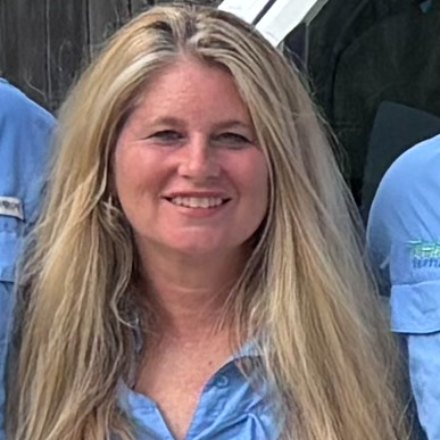
Aimee runs the side of Thrive most customers actually talk to — scheduling, service questions, and following up when something is not right. She fields the questions homeowners ask most, which is where a lot of these posts come from.
More about the Bennett family →Ready to transform your lawn? Call your local Thrive team or book a free assessment. We'll look at your specific yard and recommend the right program.