
Here’s the truth the spray-truck companies don’t lead with: weeds are a symptom. They thrive exactly where grass is thin, soil is compacted, and turf is stressed. Kill the weeds without fixing those conditions and they’ll be back — which, for a company selling repeat spraying, is convenient.
Why We Don’t Blanket-Spray
- Herbicides stress the grass too, thinning turf and inviting the next round of weeds
- Harsh chemicals harm the soil biology that would crowd weeds out naturally
- Kids and pets end up playing on treated grass
- Runoff carries chemicals into Houston’s bayous
How Thick Turf Beats Weeds
Every weed needs three things: light hitting bare soil, weak competition, and disturbed ground. A dense organic lawn denies all three. As soil health improves and St. Augustine thickens, weed pressure drops season over season — not because anything was killed, but because there’s no room left.
What to Expect
Organic weed suppression is a curve, not a switch. Year one, you’ll still see some weeds while density builds. By year two, most customers notice dramatically fewer. The lawns we’ve treated longest have the fewest weeds of all — the opposite of the synthetic treadmill.
Mow high, water deep, feed the soil. The grass does the rest.
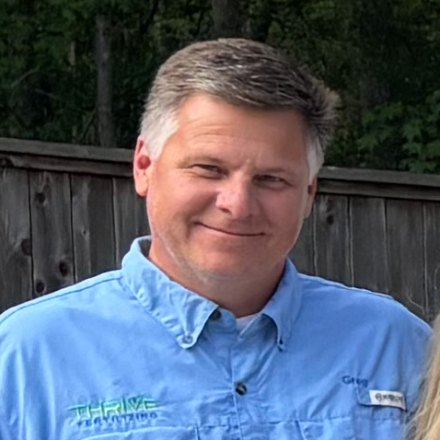
Greg spent 25+ years building a lawn care business with his dad and brother before starting Thrive with his wife Aimee and son Jake. He has been reading Houston soil — gumbo clay, sandy piney woods, and everything between — since the 1990s.
More about the Bennett family →Ready to transform your lawn? Call your local Thrive team or book a free assessment. We'll look at your specific yard and recommend the right program.